Made for your brand
Creator-generated content
eBay, delivered work
Rosie Arrowsmith, Client Director, Vidsy · July 2026 · 5 min read
Somewhere there is a strategy deck with the word creator on the front and an influencer budget underneath it. Both markets are growing. One is six times the size of the other. We built the department for the small one.
The word doing two jobscreator
Nobody built a creator strategy. We rented one, quarterly, for ten years.
01
The word everyone agreed on
The creator economy was the main character at Cannes this year. It was also the most misunderstood word in the Palais.
The creator economy has been part of the Cannes conversation for years. This time felt different. Creators are treated as strategic business partners who can move the full funnel, from content production and audience development to product launches and commerce.
Casting wall
2025100 more this year
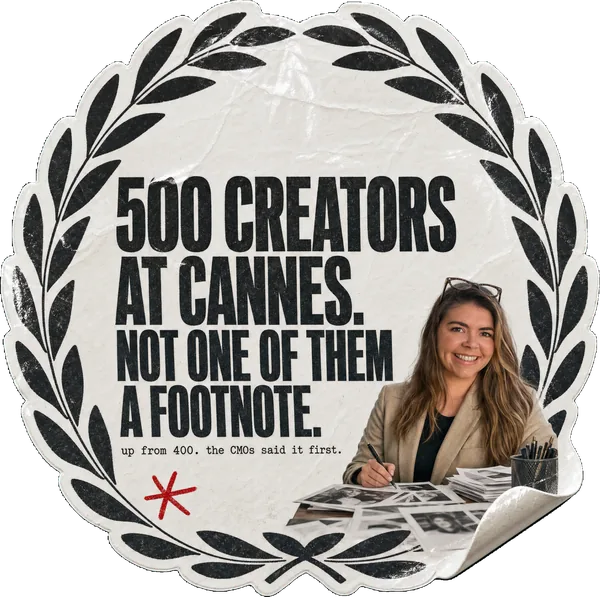
500
creators at Cannes this year.
Up from 400 in 2025.
Scott Galloway, via Adweek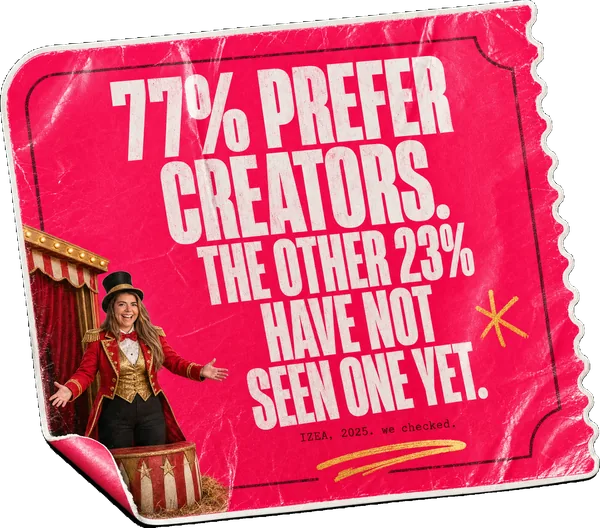
Consumers keep shifting their time to creators, across social, streaming, podcasts and communities. Brand money is following.
Goldman Sachs sizes the creator economy overall at close to half a trillion dollars by 2027. That is the whole category, not one line of it.
The part that made me sit up was who was saying it. It was not the creators. It was the people who buy.
Global CMOs and platform leaders made the case from the main stages, in front of the agencies who have spent a decade selling them something else. Leandro Barreto, Global CMO at Unilever, put it as plainly as anyone has.
A creator amplifying a global campaign moment is not a footnote to the strategy. They are the strategy.
Mike Minton, Chief Product Officer at Twitch, drew the line that matters for anyone still buying reach: "The difference between an audience and a community is participation." (via Forbes)
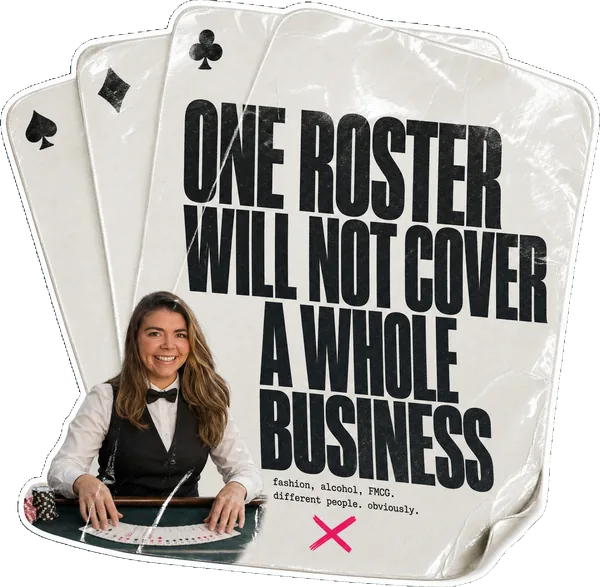
And Natalie Wills, SVP Integrated Marketing and Creative at Expedia Group, made the point that kills the idea of a single creator roster: she has worked in fashion, in alcohol and in fast-moving consumer goods, and there are different creators for every part of the business. (via Marketing Dive)
Three buyers, three different industries, one position. The marketplace has moved.
02
The two markets nobody split
Say "creators" in a boardroom and half the room hears influencer marketing. That confusion is expensive.
Plays in the social ad market
Creators craft stories that bring your brand to life. The work runs as targeted paid social ads from your channels. Built to feed the algorithm.
Plays in the influencer market
Influencers fit your brand into their story. It posts from their channels to their following. Built to borrow trust.
Those are not two flavors of the same line item. They are two products, bought differently, measured differently, and sized differently.
Two markets, one surface
Drawn to scale. Width and depth both follow the figures.
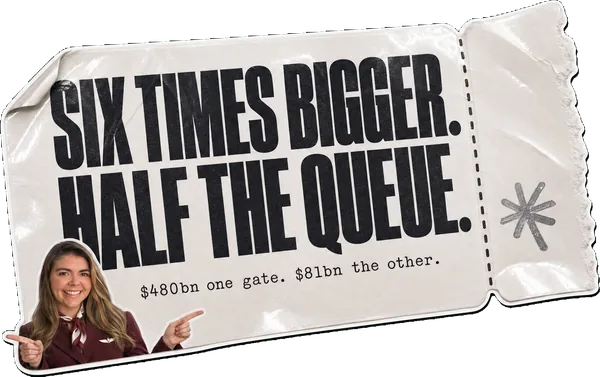
$480bn
$81bn
$480bn
Global social ad market, 2030.
Creator-powered advertising plays here.
Statista$81bn
Global influencer market, 2030.
Influencer content plays here.
StatistaSame year, same source. One is six times the size of the other.
If you only have an influencer strategy, you are competing for the small pool and ignoring the big one.
77%
of consumers say they prefer creator content over scripted ads.
IZEA, 2025Read those two numbers next to each other and the strategic question stops being whether creators work. It becomes which of the two markets your brand has actually built a capability in.
03
The bill for renting
Creator-generated content is made for your brand and runs from your channels. Influencer content is made by a persona and posted to their following. Four differences do most of the work.
The set
Two cards. Same four attributes. One of them you keep.
Made for your brand
eBay, delivered work
Made by a persona
Rented, so there is nothing of yours in it.
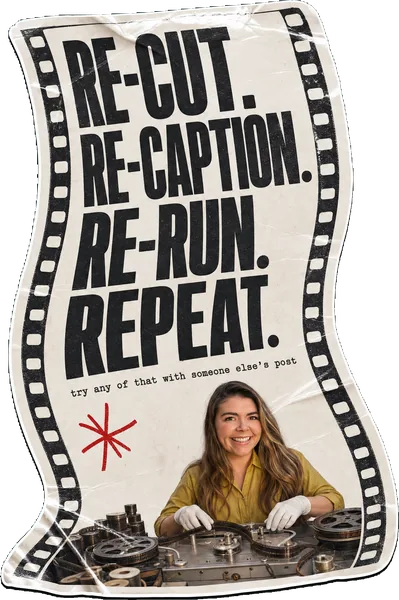
Different goals, different briefing, different measurement. The mistake is buying one and expecting the other's outcome.
I have watched brands run a perfectly good influencer program and then ask it to carry a full-funnel paid plan. It cannot. It was never built to. That is not a failure of the influencer, it is a failure of the brief that bought them.
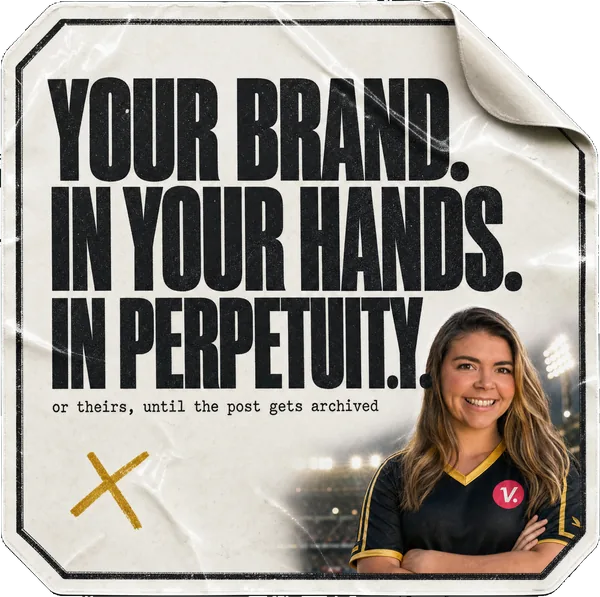
And creator-generated content is the version where your brand team keeps control: your guidelines, your end cards, your channels, and assets you own and can fix.
That last part gets skipped in the excitement about creators, and it is the part a brand director actually cares about. Owning the asset means you can do four things.
Four things you can do to an asset you own. None of them need a second negotiation.
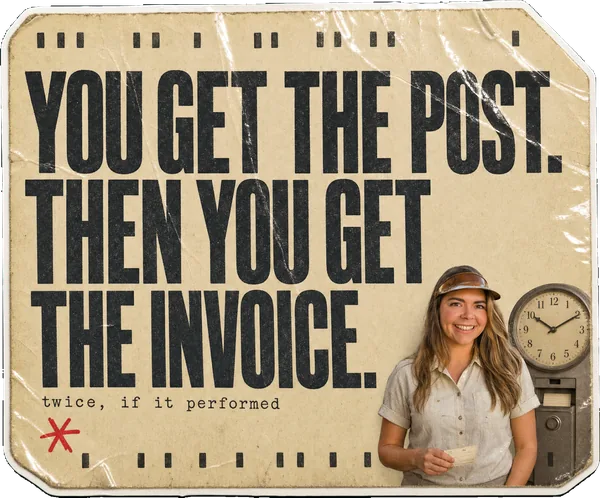
Borrowed content offers none of that. You get the post, and then you get the invoice.
04
The team we never hired
If creators can move the full funnel, and the market they sell into is six times the size of the one most brands have a strategy for, then the operating question changes.
Old question
Which influencer do we book this quarter?
Better question
How many people can tell our story well, and how fast can we brief them?
That is a capability question, not a campaign question. Capability is what a brand builds once and uses for years.
Creators aren't just participants, they are now the architects of culture. They move faster than brands or platforms can, and it's the brands that harness creators strategically that will win.
You do not need another influencer campaign.
You need an army of people who can tell your story.
Stop renting